
Dressing Confidently: Style Tips for Older Men Dating Younger Women
The short answer is that fit, freshness, grooming, and a calm sense of self do more for an older man dating a younger woman than any single garment in his closet. Updated tailoring on what he already owns, regular grooming, and clothing that suits both his age and the venue beat anything trendy he could buy in a hurry.
That answer holds across the research and across what working stylists have been saying for years. Howlett, Pine, Orakcioglu, and Fletcher’s 2013 study in the Journal of Fashion Marketing and Management showed that 274 viewers, given five seconds and a faceless image, rated the same man as more confident, more successful, and more capable when he wore a properly tailored suit instead of an off-the-peg one. Hester and Hehman’s 2023 review in Personality and Social Psychology Review went further, concluding that dress is one of the most powerful immediate cues people use when forming impressions of strangers. None of this is about chasing youth. It is about presenting the man you are, with care.
If you are reading this in your fifties or sixties, possibly back in the dating world after a long pause, the question on your mind is probably some version of “where is the line between effort and trying too hard?” The next sections work through that, with concrete tools rather than rules.
Fit Before Anything Else
Fit is the lever. Almost everything else is downstream of it.
A jacket whose shoulder seam falls past the edge of your shoulder will read as borrowed regardless of fabric quality, and a shirt that pulls across the chest will draw the eye exactly where you do not want it drawn. Image consultants describe a fit hierarchy that starts at the shoulders, moves to the chest and waist, and ends at sleeve and trouser length. The shoulders set the silhouette. If they do not sit right, no tailor can save the garment. The rest can usually be adjusted.
Many men in their fifties and sixties own clothing from a body that no longer matches the one they have today. A shirt bought at 38 may sit badly at 45, and a jacket from a previous decade often hangs on the wrong line of the chest. The fix is rarely buying everything new. A trip to a competent alterations tailor with two or three good shirts, a pair of trousers, and a jacket usually transforms more of the wardrobe than a fresh shopping trip would. Karen Pine’s 2014 book Mind What You Wear notes that 73% of people in her surveys said they get dressed up to feel more confident, and the easiest path to that feeling is wearing clothes that meet your current shape.
A few practical fit checkpoints worth knowing:
- The shoulder seam should sit on the bony edge of your shoulder, not above or below it.
- Sleeves on a shirt should end near the base of the thumb when your arms hang down.
- Jacket sleeves should show roughly half an inch of shirt cuff.
- Trousers should sit at your natural waist with a small break at the shoe, not pooled around the ankle and not riding up the calf.
- A button-down should close cleanly across the chest and stomach without strain at any single button.
Fitted is not the same as tight. Tight clothing tends to age a body rather than flatter it, especially through the midsection. The goal is a relaxed line that follows the body without gripping it.
Age-Appropriate Without Being Aged
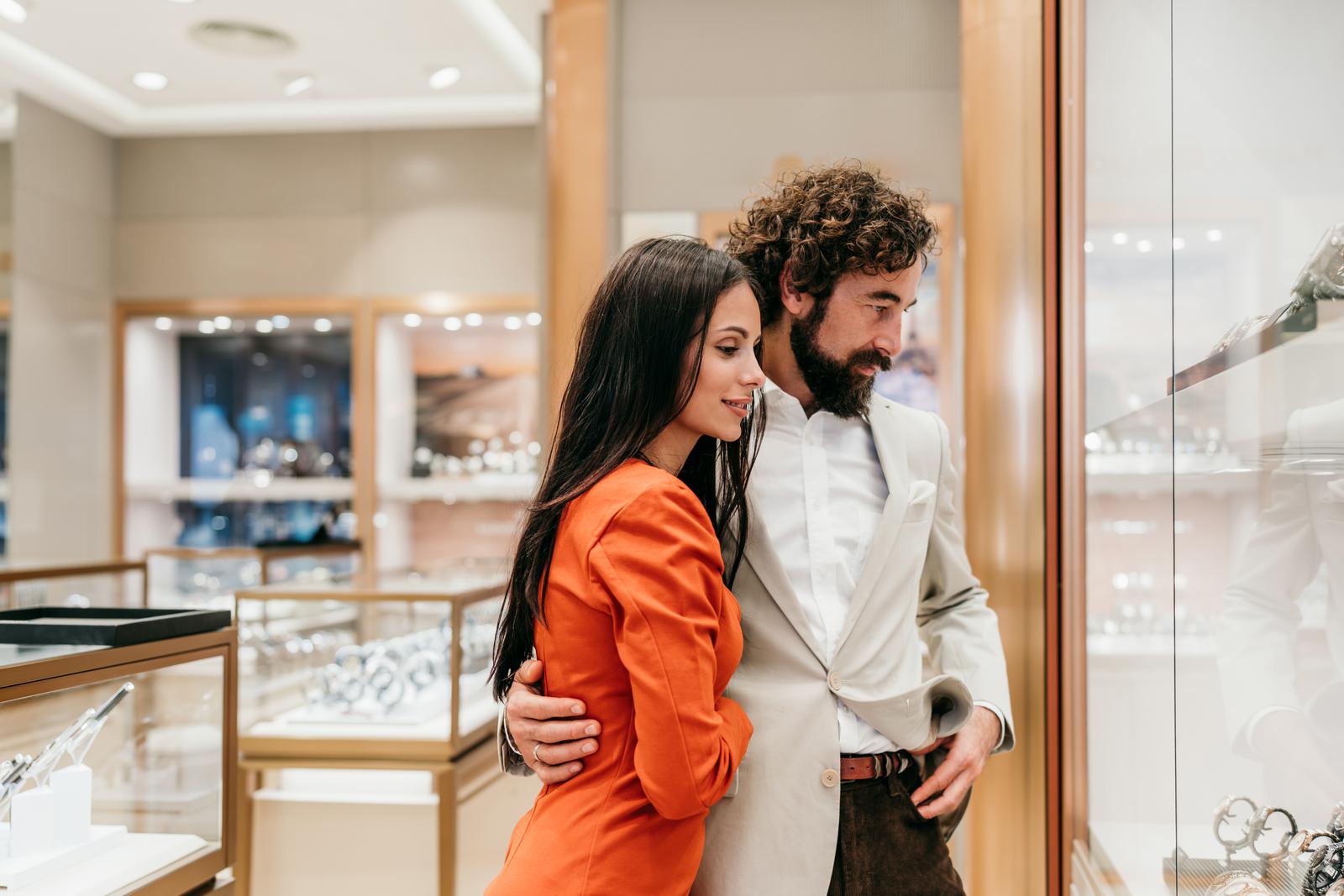
Dressing your age does not mean dressing old. It means wearing current versions of clothes that suit a man with some years on him.
Joseph Rosenfeld, the New York and Silicon Valley personal-style strategist, has noted in interviews that many men keep wearing the same things they wore in their thirties, and that the look does not move with them. The result is usually one of two failure modes. The first is freezing in time, where the man dresses as the version of himself he was twenty years ago. The second is reaching forward into clothes meant for men twenty years younger, which tends to highlight the age gap rather than soften it.
The middle path is to wear timeless pieces in their current cut. A navy sport coat looks like a navy sport coat in any decade, but the cut from 2005 reads differently than a cut from the last few years. Same with denim. Same with chinos. Same with eyewear, which Rosenfeld and AARP both flag as one of the fastest ways to date a face. Frames more than a decade old tend to age the entire outfit no matter how good the rest of the look is.
The same logic applies to shoes. A clean pair of leather loafers, a derby in a current last, or a low-profile leather sneaker reads as adult and current. A heavily distressed sneaker or a square-toed dress shoe from the early 2000s does not.
The First-Date Wardrobe
The most consistent recommendation across stylists working with men over 50 is a small set of pieces that play well together and adapt to most date venues. Treat this as a starting kit, not a uniform.
For a smart-casual date (dinner, a wine bar, a gallery, an evening walk):
- A well-fitted button-down shirt in a solid color (white, light blue, soft grey, or pale earth tone)
- Mid-weight tailored trousers, dark denim with no distressing, or a clean pair of chinos
- Leather shoes (loafers, a Chelsea boot, or a derby) in brown or black, polished
- A fine-gauge knit (merino crewneck, cardigan, or a quarter-zip) for cooler weather
- A sport coat or unstructured blazer in navy or charcoal for venues that lean dressier
- A leather belt that matches the shoes
- A simple watch on a leather strap or steel bracelet, in a size that suits your wrist
For a daytime or casual date (coffee, a museum, a walk, lunch):
- A polo or henley in a solid color, fitted but not tight
- Dark denim or chinos in a relaxed-modern cut
- Clean white leather sneakers or loafers
- A light jacket (a field jacket, a suede or cotton bomber, or an unstructured blazer)
- The same watch and belt as above
The point of having a kit like this is that it removes the question of what to wear, which removes most of the second-guessing on the day of the date. Adam and Galinsky’s 2012 enclothed cognition study found that wearing clothes with strong personal symbolic meaning (in their case, a doctor’s lab coat) measurably improved attention and self-perception in the wearer. The applied version is simple. Wearing something that fits well, that you have worn before to feel capable, lifts how you carry yourself, which is part of what your date will read first.
Things to Leave Out of the Closet
Stylists who write about men over 50 (Ashley Weston, Joseph Rosenfeld, the editors at Gentleman’s Gazette and AARP) tend to converge on a similar list of items that misfire on a date. Avoiding the list does more for you than chasing any particular trend.
Items to skip on a date:
- Cargo shorts and basketball shorts. These read as gym wear.
- Graphic tees with large logos or branded slogans, especially of teen-targeted brands.
- Distressed or ripped jeans. The look reads as borrowed from a younger generation.
- Very pointed dress shoes, square-toed dress shoes, or chunky athletic shoes.
- Suits or shirts cut very tight through the chest and arms, particularly if they pull at the buttons.
- Clothes from a previous body shape that have been pressed back into service.
- Anything visibly worn out at the cuffs, collar, or seat. A frayed collar undoes a good shirt.
- Heavy fragrance. More on this below.
- Eyewear that has not been updated in a decade.
- Hats meant to hide hair loss, including baseball caps indoors.
Most of these items are not bad in isolation. They are bad on a first date, where the read is fast and unforgiving. Save the cargo shorts for the garden.
Grooming as the Quiet Multiplier
Grooming is the easiest place to add visible care for the smallest investment of effort, and the research backs this up. Cunningham’s multiple fitness model (1990) lists grooming as a distinct category of features that influence perceived attractiveness, alongside facial structure and expressiveness. Van Paasschen and colleagues (2015), writing in the International Journal of Cosmetic Science, found that everyday grooming routines produced measurable improvements in men’s self-rated body image and confidence.
For older men, grooming carries a second function. It is one of the most reliable ways to soften the visible signs of age without resorting to anything drastic, and it is something a man can fully control.
Priorities, in order of impact:
- A current haircut. A barber who cuts your hair every three to four weeks is worth their weight. A shorter, well-shaped cut almost always beats a longer cut that hides thinning.
- Facial hair, if you wear it, kept shaped. Dixson and Brooks (2013), publishing in Evolution and Human Behavior, found that women, on average, rated heavy stubble as the most attractive level of facial hair on men, with full beards rated highest for masculinity. Either works if it is maintained. A patchy half-grown beard does not.
- Ear and nose hair, regularly trimmed. This becomes more visible after 50 and is rarely flattering.
- Eyebrows, lightly tidied if they have wandered. Not shaped to a thin line, but kept inside their natural shape.
- Skin care. A simple routine of cleanser, moisturiser, and sunscreen does more than most men expect. Dry, weathered skin reads older than rested, hydrated skin of the same age.
- Teeth. A whitening regimen if you drink coffee or wine, and a check-up if it has been a while.
- Nails on the hands. Clean, trimmed, no lifted edges.
- Fragrance, used lightly. One or two sprays of something subtle, applied to the chest or wrists, not the neck and not on the clothes. Lenochova and colleagues (2012, PLOS ONE) found that fragrance combined with natural body odor reads as more attractive than either alone, but heavy fragrance reverses the effect.
Grooming compounds. A man with a current haircut, trimmed facial hair, and fresh skin looks five to ten years younger than the same man without any of those, in roughly the same outfit.
Color, Fabric, and Quiet Confidence
Color does some of the work for you, and the safest range for older men dating is the quietest one.
Navy is the most consistently recommended core color across men’s stylists working with men over 50. It flatters most skin tones, hides minor wear, and reads as polished without announcing itself. Charcoal, mid-grey, white, off-white, and earthy browns and olives sit alongside it. These colors do not date the way bolder shades do, and they let the face be the most expressive thing in the frame.
Bolder color works as an accent. A pale blue oxford under a navy blazer. A burgundy knit over white shirting. A rust pocket square in an otherwise quiet outfit. Elliot and Niesta’s 2008 “Romantic Red” study found that men shown against a red background were rated as more attractive by women, but the effect has not held cleanly in replication. Lehmann, Elliot, and Calin-Jageman’s 2018 meta-analysis concluded the red effect, if it exists, is much smaller than the original studies suggested. The practical takeaway is that a small touch of color can lift an outfit, and that no single color is a magic bullet.
Fabric matters more than color in many cases. Natural fibers (cotton, wool, linen, leather) read as adult and considered. Heavy synthetic athleisure reads as the opposite. A lightweight wool blazer, a brushed cotton shirt, a fine merino sweater, and well-made leather shoes do more for a smart-casual look than any logo could.
How to Avoid the “Trying Too Hard” Trap
The strongest signal that a man is trying too hard is the gap between his clothes and his bearing.
Effort itself does not look like trying too hard. A current haircut, a fresh shirt, polished shoes, and a light fragrance read as effort and as respect for the person across the table. What reads as trying too hard is effort aimed at a younger version of yourself. Cuthill, Mingoia, Conboy, and Le Busque’s 2025 study in Sage on dating-app behaviour found that men who used dating apps were more likely than non-users to engage in unhealthy weight-control or appearance-enhancement behaviours, suggesting overcompensation is common.
The signals stylists name most often as trying too hard:
- A wardrobe of trend pieces that all look brand new.
- Clothes a generation younger than the wearer (oversized streetwear, large logos, very loud sneakers).
- Sleeves and trousers cut very tight on a body the cut was not designed for.
- An overpowering fragrance that arrives before the man does.
- Statement accessories worn together (a chunky watch, a chain, several rings, mirrored sunglasses indoors).
The fix is subtraction more than addition. Pick one place to be a little louder (a textured knit, a richly colored shoe, a sharp pocket square) and let everything else stay quiet. A younger woman who likes you is reading your bearing, not auditing your closet.
How to Dress for the Venue, Not the Age Gap

The single most useful filter for what to wear on a date is the venue, not the age of the person across from you.
A wine bar calls for one register. A long walk through a park calls for another. A casual lunch falls somewhere in between. Dressing for the venue does the work of looking appropriate without requiring you to think about how old anyone at the table is. It also signals that you respect both the place and the date enough to think about it in advance.
A short rule of thumb. If the venue has tablecloths, wear leather shoes. If the venue is outdoors, wear something with weather in mind. If the venue is a museum or gallery, the room is doing some of the work for you, so let the outfit settle a half step below the room’s formality. Smart-casual covers more first-date territory than any other register, which is why most stylists working with men over 50 build their date-night recommendations around it.
The age gap, if it exists, is not the thing you are dressing for. You are dressing for the room and for the woman across from you, and the goal is to walk in looking like the most cared-for version of yourself. That is what the research on first impressions suggests has the strongest pull, and it is what older men have a real advantage in delivering once they stop chasing the wrong target.
Frequently Asked Questions
What should an older man wear on a first date?
A well-fitted button-down or polo, mid-weight tailored trousers or dark denim, and clean leather shoes is the formula recommended most often by stylists working with men over 50. Add a fine-gauge knit or sport coat for cooler weather, and keep fragrance light. The fit should be close to the body without pulling.
What colors look best on older men?
Navy leads, with charcoal, mid-grey, white, off-white, and earthy browns and olives close behind. These colors flatter most skin tones and read as polished without drawing attention to themselves. Brighter colors work best as small accents (a knit, a pocket square) rather than full pieces.
Should older men wear sneakers on a date?
Yes, when they are clean, low-profile, and matched to the venue. White leather sneakers are the standard recommendation for casual and smart-casual dates because they read as current without trying to look young. Heavy chunky athletic shoes are best left for actual exercise.
How tight should clothes be on an older man?
Clothes should follow the line of the body without pulling, bunching at the shoulder, or straining at any button. The shoulder seam of a jacket or shirt should sit on the edge of the shoulder, sleeves should end near the base of the thumb, and trousers should sit at the natural waist with a small break at the shoe. Tight is not the same as fitted.
Should older men grow a beard?
Dixson and Brooks (2013) found that women, on average, rated heavy stubble as the most attractive level of facial hair on men, with full beards rated highest for perceived masculinity. Either works for an older man if it suits the face and is maintained. A patchy or unshaped beard tends to read as neglect rather than style.
Is it OK for an older man to dress like a younger man?
Image consultants generally advise against it. Clothes that read as youth-targeted (oversized streetwear, large logos, very trendy silhouettes) tend to draw attention to the age gap rather than soften it. The recommended approach is to wear current cuts of timeless pieces, which look modern without pretending to be twenty-five.
