
The Sugar Baby Who Coached Me Through Filming My First Documentary
Becoming a documentarian isn’t something that I saw for myself. I wasn’t even a filmmaker before, or even that much of a movie buff.
But something happened to me as I got into my 60s. I realized, for one thing, that I was losing my memory. Names of old friends and places I’d been started slipping my mind. I started finding it hard to keep track of dates and what year important moments of my life had taken place.
Concerned, I met with a neurologist, who cleared me for any major cognitive issues.
“The good news and the bad news,” the doctor told me, “Is that you’re just getting older. Some gradual memory loss is to be expected, but there are certainly things that you can do to keep yourself sharp.”
I left her office with a list of things that I could do to improve my memory: getting exercise, spending time with friends, sleeping, playing puzzle games, etc. She also suggested that I start journaling, which was something that was both appealing and intimidating to me. I stopped on the way home at an office supply store and got myself a notebook and some pens.
But when I sat down to start writing, I became quickly frustrated. I didn’t know where to start- which stories I felt were worth enough to write down. And when I did follow a trail of an interesting story from the past, I realized there were gaps in my memory that made my writing slow and disjointed.
Now, you might have noticed that I said, “for one thing,” earlier. The other thing that started happening in my 60s is that I started to feel lonely. I had never felt lonely before. I had always had my work and my work friends and hobbies. But I had also always been the younger one of my work friends, and as they retired, one by one, my company started to hire younger and younger people. I couldn’t relate to them anymore.
Add that to the fact that I had never married, didn’t have kids, and had long since had a strained relationship with my family. I saw my brother once a year at Thanksgiving, but for the rest of the year, we weren’t close.
I started reading online for advice on how to combat loneliness as a bachelor in my 60s, and someone on a forum suggested sugar dating.
“You’re probably not going to find the love of your life,” the user said, “But if you’re lucky, like I was, you’ll find a good friend and confidante who actually wants you to call.”
What could it hurt, I thought, and I signed myself up for a sugar dating website.
At first, just chatting with people online was enough to improve my mood. I looked forward to clocking out of work every day and coming home to my many conversation threads. I made the next step with two sugar babies to start having phone conversations, which made me feel even more connected. I’ve always been a good talker, and hearing someone’s voice on the other end of the line was nice.
Eventually, I started to get more and more attached to a sugar baby named Stella who happened to live in the same city as I did. Once we had chatted on the phone for a couple of weeks, she asked me if I would like to meet in person.
“It doesn’t have to be anything that you don’t want it to be,” she told me. “We could sit and talk over coffee. We could go for a walk.”
I remembered that my doctor had recommended that I get more exercise, so I took Stella up on the walking option.
Stella was a lot more normal-looking in person than in her pictures. And I don’t mean that in a bad way. In fact, I had been kind of intimidated by her heavy makeup and stylized posing in her photos. It was a lot easier to relax around her when I saw her in her natural state. I didn’t tell her, but I also found her smile to be beautiful and disarming.
We grabbed smoothies and headed to the nearest park for a walk.
Conversation was a little bit stunted at first, but we quickly became comfortable with the occasional silences.
I told Stella about going to see a neurologist about my memory loss. I don’t know why. I think I felt safer opening up face-to-face with Stella than I had felt over the phone.
“Are you keeping up with the journaling?” she asked me. “I only ask because it’s something that I’ve wanted to do, and I just can’t find the motivation to stick with it.”
I told her that I was in the same boat. If it wasn’t a hand cramp that made me quit, it was the frustration of not being able to remember things from my past.
“Well, what if you call up the other people who were there and try to patch together the memories?” she suggested.
It was an interesting idea, and one that I had thought of before. But I figured it would be too odd, too eccentric to call up old friends and try to make them walk down memory lane with me.
When I told Stella my hesitation, she said, “I think people are a lot more willing to have those kinds of conversations than you might think.”
So I gave it a try. I called up an old friend of mine from college and said, “I hope you don’t mind me calling you up out of the blue like this, but I’ve got a question for you. What do you remember about the night that we stole the mascot costume?”
My buddy roared with laughter, and we proceeded to talk for two and a half hours, not only about that one night but about many other fond memories that I hadn’t thought about in years. By the time we were ready to hang up, my face hurt from smiling and I felt 10 years younger.
Afterwards, I sent Stella a text message that said. “Screw journaling. I think I want to make a documentary.”
Stella was totally on board, but she told me that she didn’t know the first thing about documentary filmmaking. She said she’d be happy to start researching how to plan a film like this if I could oversee the equipment and think about a theme.
During our next in-person date, Stella pulled up an Excel sheet on her laptop. I was impressed and touched that she was taking this as seriously as I was.
“Well, duh,” she said, “I want that executive producer credit.”
In Excel, Stella had a list of things that we had to consider before we got started. They included things like:
- Solidifying the story idea. I had to spend a lot of time nailing down what I actually wanted my documentary to be about. I came up with (and threw out) a lot of ideas before deciding that I wanted to make a film about my own journey navigating loneliness as a 60-something and how reaching out to my old friends brought me the sense of community that I was missing.
- Writing an outline, doc script, and film treatment. This is something that Stella and I initially bumped heads about. I told her that it didn’t make sense to write a script when I didn’t know what my interviews with my friends would look like or how the documentary would play out. But Stella was firm. She said that without some kind of direction, the film would just be a collection of interviews between me and my friends without a captivating story arc.
- Scene planning. This stage was all about figuring out who I would want to interview and how much of my own life I would want to film as part of the documentary. Again, Stella was really meticulous about this. She wanted to see every scene mapped out, even if we ended up changing things along the way or in post-production
- Editing. This part, Stella said, was probably going to be over our heads. She suggested that I find a film editor on a freelancing website or in my own contacts who would be able to help with a big project like this.
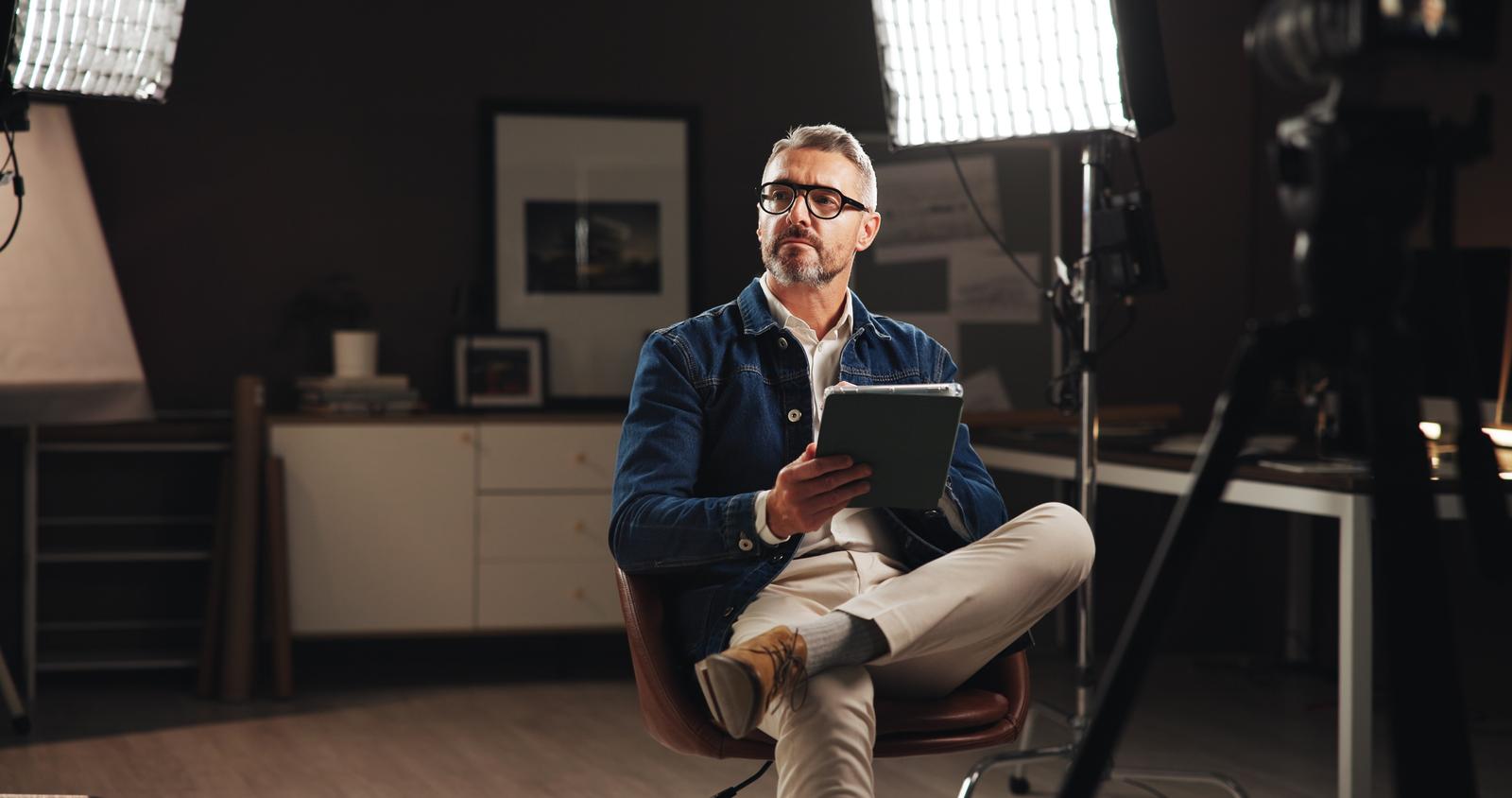
From start to finish, the documentary took about 8 months to make. And its run time came out to 23 minutes. It was short, sweet, and, in my humble opinion, packed with emotion. When Stella and I presented the finished piece to a group of family and friends, it warmed my heart to hear laughter, sighs of agreement, and plenty of sniffles.
My friends asked me to make a speech when the lights came on, and all I could think to talk about was how much Stella helped me. And how much it meant to me that my friends were willing to be filmed.
In the end, the documentary fixed the problem that I had at the start. I will never again forget all the wonderful memories that came up while making the documentary. And I realized that months had passed since I had felt even a twinge of loneliness.
I don’t think documentary filmmaking is my life’s purpose. But it’s definitely Stella’s, and I hope she sticks with it.